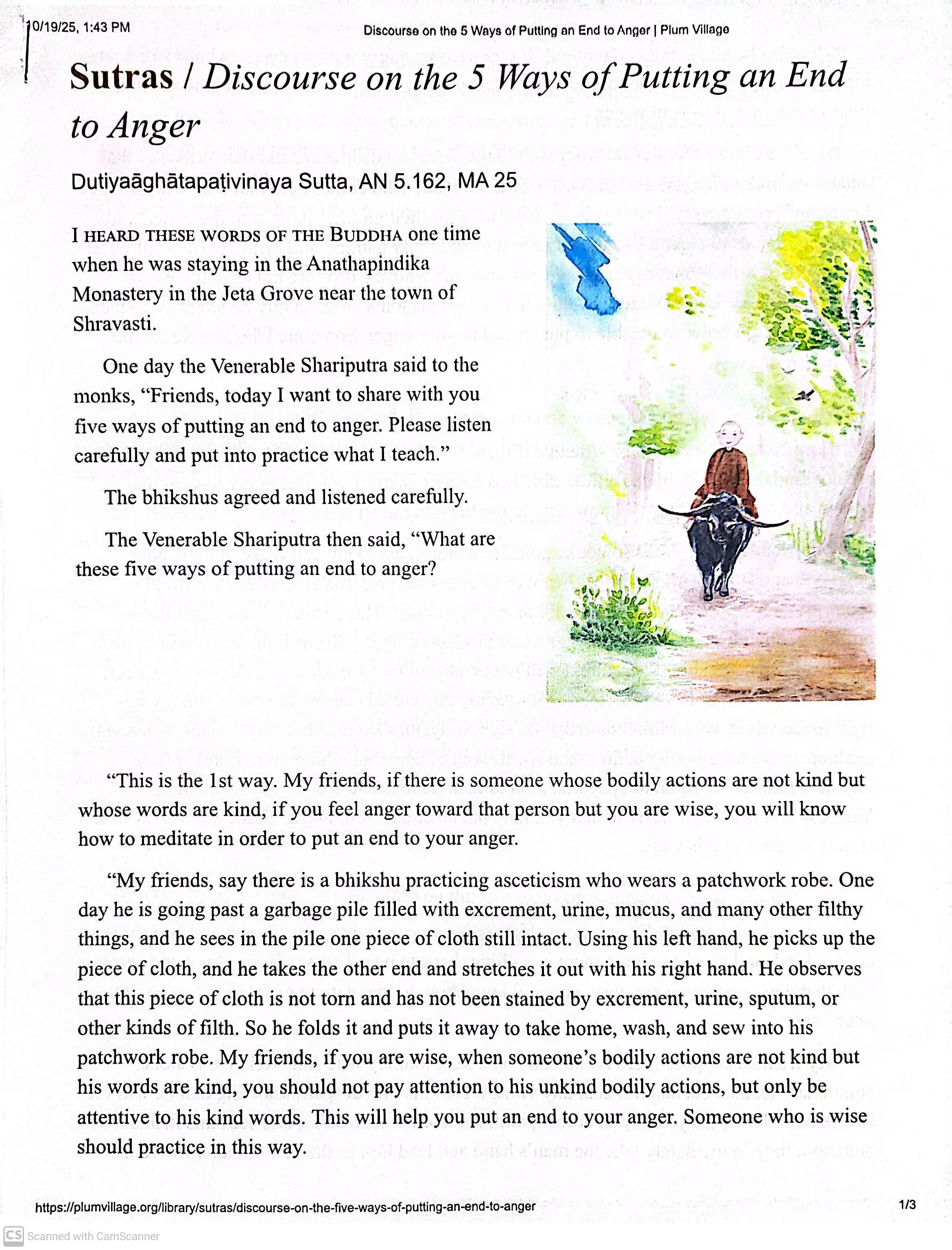
What this lesson is about
This lesson offers a practical way to work with anger in daily life: when we feel irritation toward someone, we train our attention so we don’t get trapped by reactivity. The teaching uses simple reflections and vivid metaphors (dirty cloth, algae-covered lake, buffalo footprint water, helping a sick traveler, clear lake).
Note: the full discourse text is shown in the scanned pages below. Here we focus on a short, usable summary.

The five methods (summary)
1) Their actions aren’t kind, but their words are
If someone’s behavior is rough but their words contain kindness, don’t fixate on the unkind actions. Attend carefully to what is wholesome in their speech.
Image: a piece of cloth picked from a garbage heap; still usable. Focus on what can be used.
2) Their words aren’t kind, but their actions are
If their speech is harsh but their behavior is kind, don’t fixate on the harsh words. Attend to the kindness shown through action.
Image: a lake covered in algae, clear the surface and drink the cool water.
3) Their words and actions aren’t kind, but there is a little kindness in their heart
If someone seems difficult, look for any small spark of goodness and hold your attention there. Even a little kindness can be the condition for patience and understanding.
Image: a thirsty traveler drinks from a tiny bit of water in a buffalo footprint,small, but enough.
4) Their words and actions aren’t kind, and you see no kindness at all
When you can’t find anything kind, shift to compassion: “This person is suffering.” Consider that without wise support, they may not know how to change.
Image: a sick traveler on a long journey, someone helps them (within their capability), and compassion saves a life.
5) Their actions are kind, their words are kind, and their mind is also kind
When someone is consistently kind in body, speech, and mind, let your attention rest fully on that goodness. Don’t allow jealousy or suspicion to overwhelm you, learn from it.
Image: a beautiful clear lake, drink and bathe in clean water; relief comes naturally.
Put it into practice
- Notice anger/irritation in the body (heat, tightness, speed).
- Pause and take 1–3 natural breaths.
- Choose one of the five reflections below (based on what’s true right now).
- Return to the present task with a softer mind.